Les Meilleurs meubles à vinyles du 2026 : comparaison du stockage en bois massif
Mis à jour juillet 2026
Les portes des armoires se déforment sous MDF + colle. Les dossiers en aggloméré s'affaissent à 13 kg. Une collection de 200 LP pèse 25–30 kg. Voici les armoires en bois massif conçues pour le poids réel du vinyle.
- Bois massif
- Modulaire et empilable
- Livraison gratuite dans le monde
- Retours sous 30 jours

Points clés
- Les portes d'armoires ne peuvent pas réparer les mauvaises étagères. Même une armoire fermée s'affaisse si les étagères sont en MDF + aggloméré. Le matériel d’abord.
- Les enceintes de style Kallax pèsent toujours 13 kg. Un cube complet de 80 LP pèse 16 à 18 kg. Les portes ne changent rien aux calculs.
- Le bois massif dure des décennies. Poignée en bois massif avec une véritable charge de vinyle sans affaissement, dégagement de gaz ou défaillance du trou de vis.
- Pèse-poids rapide. 100 LP ≈ 12-15 kg · 200 LP ≈ 25-30 kg · 500 LP ≈ 65-75 kg · 1 000 LP ≈ 130-150 kg.
- Le climat compte aussi. 65-72°F (18-22°C) et 35-55 % HR. La déformation commence à 60°C / 140°F.
Les Meilleurs meubles à vinyles équilibrent l’accessibilité, la protection et le potentiel d’affichage. Les principales options incluent :
Si vos disques s'empilent sur le sol ou si l'étagère IKEA s'affaisse, ceci est pour vous. Conçu pour les collectionneurs sérieux qui souhaitent que le stockage dure aussi longtemps que le vinyle.
- Étagères modulaires – Flexibilité abordable (système de cubes en kit, Malm)
- Armoires de rangement multimédia – Spécialement conçues avec portes fermées (Hemnes, Ivar)
- Changeurs de disques – Afficheur motorisé (Pro-Ject, Audio Technica)
- Intégrés personnalisés – Adaptés à l'espace et à la taille de la collection
- Supports pour platines vintage – Esthétique rétro avec rangements en dessous
Le meilleur choix dépend de la taille de votre collection, de l’espace et du budget. La plupart des collectionneurs trouvent que les étagères modulaires offrent le bon équilibre entre coût et fonctionnalité.
Ce qui différencie un bon cabinet d'un excellent cabinet
Un meuble pour disques vinyles n’est pas seulement un meuble : c’est un protecteur d’investissement. Alors que le marché mondial du vinyle se dirige vers 3,5 milliards de dollars d’ici 2033 et que les pressages originaux s’apprécient plus rapidement que de nombreux actifs traditionnels, l’endroit où vous stockez votre collection est important financièrement. Les principaux différenciateurs : une construction en bois massif qui supporte plus de 200 kg sans affaissement, une ventilation adéquate pour éviter l'accumulation d'humidité, une conception modulaire qui s'adapte à mesure que votre collection s'agrandit et des dimensions internes spécifiquement calculées pour les LP de 12 pouces avec pochettes gatefold. Pour les 56 % de collectionneurs qui citent le vinyle comme décoration d’intérieur, le meuble est également une déclaration de design.
Les meilleurs meubles de rangement pour disques vinyle comparés : armoires en bois massif, étagères modulables et présentoirs fermés pour 50 à 800+ LP.
Pourquoi le stockage est important pour les disques vinyles
Les disques vinyles nécessitent un stockage approprié pour conserver la qualité sonore et la longévité. Un mauvais stockage accélère :
Meilleurs meubles à vinyles et solutions de stockage en 2026
Le choix du meilleur meuble pour disques vinyles dépend de trois facteurs : la taille de votre collection, la disposition de votre pièce et la façon dont vous interagissez quotidiennement avec vos disques. Nous avons testé et comparé les solutions de rangement en vinyle les plus populaires sur le marché – des cubes en aggloméré emballés à plat aux meubles dédiés en vinyle – pour vous aider à faire le bon choix.
Cubes de aggloméré en paquet plat par rapport aux armoires dédiées aux disques vinyles
Les cubes en aggloméré emballés à plat constituent la solution de stockage en vinyle la plus courante dans le monde – et pour cause. Il est abordable, largement disponible et les dimensions internes du cube (33,5 x 33,5 x 39 cm) conviennent aux disques vinyles de 12 pouces. Cependant, le système de cubes en paquet plat a été conçu comme une étagère générique et non comme un stockage de vinyle. Le poids nominal en étagère est de 13 kg par cube, mais un cube plein de vinyle pèse entre 23 et 25 kg. Après 6 à 12 mois de chargement complet, les étagères du système cube en paquet plat développent une courbure visible. Pour les collections de moins de 200 documents sans projet d’expansion, le système de cubes en pack plat fonctionne. Pour les collectionneurs sérieux, les armoires à vinyles dédiées constituent un investissement rentable.
Qu'est-ce qui fait une excellente armoire à disques vinyles
Les Meilleurs meubles à vinyles partagent cinq caractéristiques : (1) une capacité de poids adaptée aux charges réelles de vinyle (25+ kg par étagère), (2) une profondeur intérieure de 34+ cm pour accueillir les disques avec pochettes extérieures, (3) des matériaux qui résistent à l'humidité et maintiennent l'intégrité structurelle (bois massif, pas MDF), (4) une conception modulaire ou extensible pour les collections en croissance et (5) une esthétique qui complète votre espace de vie plutôt que de ressembler à des étagères d'entrepôt.
Pourquoi le bois massif surpasse les aggloméré
Les armoires en vinyle les plus abordables utilisent du MDF ou des aggloméré – des matériaux qui absorbent l'humidité, gonflent au niveau des joints et perdent leur intégrité structurelle sous de lourdes charges soutenues. Le bois massif – des essences particulièrement légères comme – supporte le poids du vinyle sans dégradation, régule naturellement l'humidité autour de vos disques et améliore son apparence avec le temps plutôt que de se détériorer. Notre Keep Them Spinning gamme de rangement pour vinyle utilise exclusivement du bois massif pour exactement ces raisons.

- Déformation due aux variations de température
- Accumulation de poussière affectant le suivi de l'aiguille
- Dégâts dus à l'humidité provoquant moisissures et dégradations
- Dommages physiques dus à un empilement ou une manipulation incorrecte
Une armoire à disques de qualité protège votre investissement tout en gardant votre collection accessible et visuellement visible.
Meilleurs meubles à vinyles par type
1. Système d'étagères cubiques en paquet plat (alternatives au paquet plat)
Idéal pour : Collectionneurs soucieux de leur budget avec des collections moyennes (100-300 disques)

Spécifications : 77" H × 77" L × 5,5" P | 4 étagères peuvent contenir environ 50 disques chacune | Construction en aggloméré | Plusieurs finitions disponibles
Le système de cubes en pack plat est la norme de facto pour le stockage des vinyles. Chaque cube d'étagère peut contenir environ 50 disques, ce qui en fait une unité à 4 étagères capable de contenir plus de 200 disques. La conception modulaire signifie que vous pouvez empiler plusieurs unités ou personnaliser la configuration.
Avantages : Abordable (50-80 €), modulaire, plusieurs options de finition, peu encombrant
Inconvénients : Durabilité des aggloméré, Capacité de poids limitée par étagère, Nécessite un ancrage pour la stabilité
2. Armoire de rangement multimédia HEMNES (alternatives en paquet plat)
Idéal pour : Les collectionneurs souhaitant un stockage fermé et un aspect fini (150-250 disques)
Spécifications : 52" H × 35" L × 15" P | Façade en bois massif | 2-3 étagères | Portes à fermeture douce | Assemblage requis
L'armoire Hemnes offre l'expérience la plus proche du stockage multimédia vintage. La façade en bois convient aux pièces modernes et traditionnelles, et les portes empêchent la poussière de pénétrer tout en donnant une impression de finition.
Avantages : Aspect fini attrayant, Protection contre la poussière, Construction en bois massif, Bonne capacité de poids
Inconvénients : Capacité limitée des étagères, Plus difficile d'accéder aux dossiers à l'arrière, Plus lourd à déplacer
3. Système de stockage IVAR (alternatives en pack plat)
Idéal pour : Grandes collections avec personnalisation illimitée (plus de 300 disques)
Spécifications : Hauteur/largeur personnalisable | Construction en bois massif | Étagères/portes modulaires | À partir de 70" H × 30" L | Options de configuration infinies
Le système IVAR est le Lego du stockage : vous construisez exactement ce dont vous avez besoin. Mélangez les étagères, les portes, les tiroirs et les panneaux de support pour créer un mur de rangement qui correspond à la taille de votre collection et à l'esthétique de la pièce.
Plus : Personnalisation totale, Bois massif, Evolutif, Aspect professionnel
Inconvénients : Cher (400-2000+), Assemblage complexe, Nécessite des outils et de la patience
4. Support de platine vinyle avec rangement (bricolage/tiers)
Idéal pour : Espaces compacts avec écoute active et stockage occasionnel (50-150 disques)
Spécifications : Étagère supérieure du platine + 2-3 étagères de rangement en dessous | Construction en bois ou en métal | Hauteur 36-48" | Gestion des câbles intégrée
Un support de platine avec rangement intégré fusionne votre configuration d'écoute et votre collection en une seule pièce. Idéal pour les petits appartements ou lorsque vous souhaitez une configuration audio cohérente.
Avantages : Peu encombrant, Configuration d'écoute intégrée, Point focal esthétique, Généralement abordable
Inconvénients : Capacité de stockage limitée, problèmes de vibrations, qualité très variable
5. Armoires intégrées sur mesure
Idéal pour : Collectionneurs sérieux disposant de salles d'écoute dédiées et de gros budgets (plus de 500 disques)
Caractéristiques : Fixé au mur ou au sol | Dimensions sur mesure | Bois/finition personnalisé | Installation professionnelle | 3 000 à 15 000 €+
Une armoire sur mesure conçue par un menuisier crée une solution de rangement permanente et luxueuse. Vous contrôlez chaque dimension, finition et fonctionnalité, des portes à fermeture en douceur au contrôle intégré de l'humidité.
Avantages : Ajustement parfait à l'espace/à la collection, Esthétique professionnelle, Personnalisation illimitée, Ajoute de la valeur à la maison
Inconvénients : Cher, non portable, longs délais de livraison, nécessite une installation professionnelle
Principales caractéristiques à rechercher dans les meubles à vinyles
Profondeur et profondeur des étagères Espacement
Les disques vinyles mesurent 12" de large dans leur pochette standard. Une profondeur d'étagère d'au moins 13 à 14 pouces peut accueillir la pochette du disque ainsi qu'un petit rebord pour empêcher tout glissement. L'espacement entre les étagères doit être de 14 à 15 pouces pour accueillir confortablement les disques debout sans les forcer.

Plus de 8 000 avis vérifiés
GRATUIT
Expédition mondiale
30 JOURS
Retours gratuits
100%
Bois massif
Continuer l'exploration
Continuer l'exploration
- Famille Flying V
- Présentoir en acier
- La rotation de cette semaine
- Guide d'achat
- Les pochettes d’album doivent être exposées.
- Des supports muraux et des supports en acier qui mettent en valeur votre collection comme de l'art. Bois massif, installation facile.
- Afficher le vinyle comme artAffichage en magasin
Pour en savoir plus sur le choix de la bonne unité, lisez notre Guide d'achat complet d'un meuble pour disques vinyle.
| Bois massif KTS vs portes IKEA Kallax vs armoires grand public vs construction DIY | Caractéristique | KTS Bois Massif | IKEA Kallax + Portes |
|---|---|---|---|
| Armoire grand public | Construction DIY en bois massif | Matériau | Bois massif |
| Panneaux de particules (MDF) | MDF / placage | bois massif (variable) | Comportement de charge |
| Conçu pour le poids du vinyle | 13 kg / étagère | Souvent non noté | Fort s’il est bien construit |
| Dégazage | Aucun — bois brut | Oui — MDF + colle | Oui — termine |
| Aucun | Ajustement de la porte | Conçu pour la profondeur LP | 39 cm de profondeur — coulissant |
Varie
- Dépendant du bricolage
- Durée de vie
- Des décennies
- 3 à 5 ans avant l'affaissement
- 5 à 10 ans
- Des décennies si construit correctement
- Conçu pour le vrai poids du vinyle
Le stockage en bois massif KTS est conçu pour contenir 200, 500 ou plus de 1 000 disques vinyles sans affaissement. Modulaire, empilable, conçu en Espagne.
25 kg


Par cube · Charge vinyle réelle testée
Questions fréquentes
Foire aux questions
Le meuble IKEA Kallax supporte-t-il le poids d'une vraie collection de vinyles?
Non. IKEA évalue chaque étagère Kallax pour 13 kg maximum. Un seul cube entièrement chargé de 80 à 90 disques pèse entre 16 et 18 kg : vous surchargez l'étagère de 25 à 40 % dès le premier jour.
Combien pèse une collection de 100, 500 ou 1 000 vinyles?
Basé sur des disques standard de 120 à 150 g : 100 LP ≈ 12 à 15 kg, 200 LP ≈ 25 à 30 kg, 500 LP ≈ 65 à 75 kg, 1 000 LP ≈ 130 à 150 kg. Les pressages Audiophile de 180 à 220 g pèsent environ 25 % de plus.
Le bois massif est-il assez solide pour les disques lourds ?
Oui. possède l'un des meilleurs rapports résistance/poids de tous les bois, surnommé « l'aluminium du bois ». Haute stabilité dimensionnelle, faible retrait, excellente résistance aux charges.
Quelle est la meilleure façon de conserver les disques vinyles ?
Conservez les disques vinyles verticalement dans un environnement frais et sec (18-21°C, 45-50% d'humidité). Utilisez des pochettes intérieures doublées en polyéthylène et conservez les disques à l’abri de la lumière directe du soleil. Les meubles modulaires spécialement conçus offrent le stockage le plus stable et le plus protecteur.
Combien de disques vinyles peut-on stocker dans une caisse ?
Une caisse de vinyle standard contient 50 à 70 disques. Les systèmes de stockage modulaires tels que les cubes empilables peuvent en contenir plus de 100 à 200 par module, pouvant atteindre des milliers à mesure que votre collection s'agrandit.
Est-ce mauvais de stocker des disques vinyles à plat ?

Oui. Le stockage des disques à plat met du poids sur les disques du bas, provoquant une déformation au fil du temps. Rangez toujours le vinyle verticalement, comme des livres sur une étagère, avec suffisamment de support pour éviter de vous pencher.
Système Vinyl Modular
Explore Storage SolutionsEmpilable, côte à côte, montage mural. Grandit avec votre collection.
Caisses à vinyles
Le meuble qui conserve les vinyles pendant des décennies
Armoires à vinyle en bois massif conçues en Espagne — conçues pour le poids réel du vinyle. Livraison gratuite dans le monde entier, retours sous 30 jours.
Votre armoire à disques devient souvent le point central de la pièce. Choisissez un style qui complète votre espace. Les chambres modernes se marient avec un élégant système de cubes plats ou du bois peint en blanc. Les pièces rétro fonctionnent bien avec des armoires multimédias vintage ou des supports pour platines vinyles. Les espaces modernes du milieu du siècle brillent avec des armoires personnalisées en bois massif.
Évitez l'encombrement : N'emballez pas les disques si étroitement qu'ils soient difficiles à retirer. Cela provoque des dommages à la pochette et des contraintes sur le vinyle.
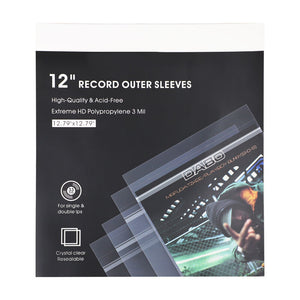
Utilisez des pochettes de protection : Les pochettes intérieures empêchent la poussière d'entrer dans le disque ; les pochettes extérieures protègent les illustrations gatefold.
Shop Wall Mounts →Vinyl Break StandGuide d'achat d'un meuble à disques
Taper
| Capacité | Prix | Idéal pour | système de cubes en paquet plat | 100-300 |
|---|---|---|---|---|
| 50-100 € | Collectionneurs budgétaires | Cabinet des médias (Hemnes) | 150-250 | 200-400 € |
| Aspect de stockage fermé | Système IVAR | 300-1000+ | 400-2000 € | Grandes collections |
| Support de platine | 50-150 | 100-500 € | Petits espaces | Intégré sur mesure |
| 500+ | 3 000 à 15 000 € | Collectionneurs haut de gamme | Erreurs courantes dans les archives | Empiler les disques à plat : Provoque une déformation, rendant les disques illisibles. |
| Étagères surpeuplées : Endommage les pochettes et rend les disques difficiles d'accès. | Ignorer l'humidité : Conduit à la moisissure, à la déformation et au saut de piste. | Placement à proximité de sources de chaleur : La lumière du soleil, les radiateurs et les radiateurs provoquent des dommages permanents. | Choisir l'apparence plutôt que la fonction : Une armoire attrayante ne vaut rien si elle ne protège pas vos archives. | Capacité sous-dimensionnée : Planifiez votre croissance : achetez une armoire pouvant accueillir 50 % de disques en plus que ce que vous possédez actuellement. |
Panneaux de particules bon marché : S'affaisse sous le poids, semble bon marché et ne dure pas.
Combien de dossiers une étagère d’un système cubique en paquet plat peut-elle contenir ?
See all CabinetsStockez toujours verticalement. L'empilement horizontal provoque une déformation et rend plus difficile l'accès aux disques individuels.
A quelle température faut-il conserver les disques vinyles ?
La plage de température idéale est de 60 à 70 °F (15 à 21 °C) avec une fluctuation minimale. Évitez les sous-sols (trop humides) et les greniers (trop chauds en été).
Les armoires fermées sont-elles meilleures que les étagères ouvertes ?
Les armoires fermées offrent une meilleure protection contre la poussière et les variations de température, mais les étagères ouvertes offrent un accès plus facile et semblent plus modernes. Choisissez en fonction de vos habitudes d'utilisation et du style de votre pièce.
Puis-je stocker des disques vinyles dans les sous-sols ?
Pas idéal. Les sous-sols ont tendance à être humides et sujets aux variations de température. Si nécessaire, utilisez des récipients de stockage scellés avec du gel de silice et vérifiez régulièrement les niveaux d'humidité.
Quel est le meilleur meuble à disques pour les petits appartements ?
Un support de platine avec stockage intégré ou une unité système cubique à une seule colonne maximise l'espace tout en offrant un stockage fonctionnel.
Oui, surtout pour les colonnes. Les disques sont lourds, et une armoire pleine peut être très lourde. L'ancrage mural évite les accidents de basculement.
Chez KTS, nous recommandons une approche hybride : commencez par des étagères modulaires (système de cubes en pack plat ou IVAR) pour la plupart de votre collection, puis ajoutez une pièce comme un support pour platine vinyle avec rangement pour vos disques les plus joués. Cela vous donne la flexibilité nécessaire pour développer votre collection sans vous engager dès le départ dans des solutions personnalisées coûteuses.
La Bibliothèque du Congrès — qui conserve plus de 3 millions d'disques sonores — suit des normes d'archivage strictes : 65-70°F (18-21°C), 40-50 % d'humidité relative, toujours vertical, jamais plat. Les disques stockés à des températures supérieures à 75°F deviennent de plus en plus souples, tandis qu'une humidité supérieure à 60 % favorise la croissance de moisissures sur les pochettes en papier. Les pochettes intérieurs antistatiques et les pochettes extérieurs en polypropylène offrent une barrière supplémentaire contre la poussière et les décharges statiques.
Alors que le marché américain du vinyle a atteint 0§1,04 milliard de dollars en 2025 – la première fois au-dessus de la barre du milliard de dollars depuis 1983 – et que les prix moyens des disques ont grimpé de 24 % depuis 2020, un stockage approprié ne consiste pas seulement à protéger la qualité audio. Il s'agit de protéger un investissement. Le rapport Vinyl Alliance 2025 montre que 76 % de la génération Z achète des vinyles chaque mois et que 37 % utilisent explicitement les disques comme décoration intérieure. Cela signifie que votre solution de rangement fait partie de la conception de votre espace de vie, et pas seulement une étagère utilitaire.
Le problème du poids : Les alternatives en emballage plat évaluent les étagères du système cube en emballage plat à 13 kg par compartiment. Un cube plein de LP pèse entre 23 et 25 kg, soit près du double de la limite officielle. A 200 disques (50-80 kg, le poids d'un humain adulte), les étagères en MDF commencent à s'incliner. À 500 records (125-200 kg), la défaillance structurelle devient un risque réel. C’est la principale raison pour laquelle les collectionneurs sérieux passent du marché de masse aux meubles spécialement conçus.
Vous recherchez la bonne solution de stockage ?
Le Vinyl Modular x4 peut contenir plus de 200 disques vinyles en bois massif — modulaire, empilable et conçu pour les collections croissantes. Parcourir toutes les solutions de stockage →
Sources et lectures complémentaires
- Library of Congress — Care, Handling, and Storage of Audio Visual Materials (ranger les disques à la verticale ; ~35–40 % d’humidité relative à la maison ; les disques pèsent 35+ lb par pied de rayon).
- U.S. National Archives — Audio Guidance: Condition of Materials and Storage (ranger les LP verticalement ; environnement frais et peu humide).
- Discogs — How to Store Vinyl Records (l’étagère doit supporter ~35 lb par pied ; préférer le bois au métal).
En stock · expédié sous 24–48 h
Des accessoires pour votre collection, prêts à partir aujourd'hui.