

Why Is My Vinyl Skipping? Causes, Fixes & Prevention
Flying V Display
Wall-mounted vinyl display in solid wood. Show off your Now Playing picks.
View Product →There's nothing quite like the disappointment of dropping your favorite vinyl only to hear it skip through your most-anticipated song. Whether you're a seasoned collector or new to vinyl, skipping records can be frustrating—but the good news is that most causes have straightforward fixes.
Looking for the right storage? Vinyl Record Storage — Handcrafted solutions
In this guide, we'll explore why your vinyl might be skipping, how to fix it, and the essential care practices to prevent damage. Let's get your records spinning smoothly again.
Common Causes of Vinyl Skipping
Before you can fix a skipping record, it helps to understand what's causing it. Here are the most common culprits:

Dirty Records
Dust, dirt, and fingerprints are the leading cause of skipping. When debris builds up in the grooves, the stylus can't track properly, causing it to jump. Even small particles can interrupt the contact between stylus and vinyl.
Worn or Damaged Stylus
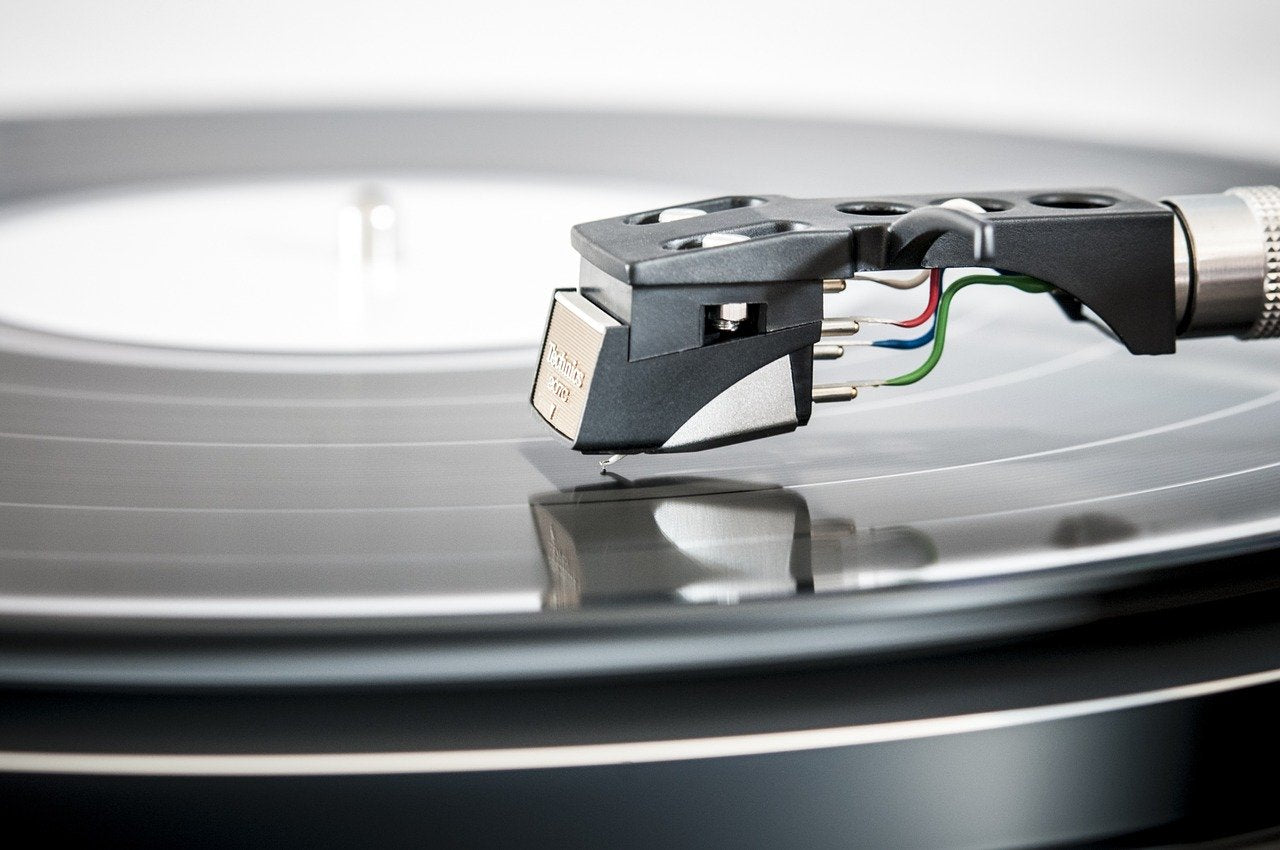
The stylus is the needle that reads your record's grooves. Over time, styli wear down and can even develop small chips or flattened tips. A worn stylus won't sit correctly in the grooves and will cause skipping, especially on damaged records.
Incorrect Tracking Force
Tracking force is the amount of weight pressing the stylus into the vinyl groove. Too little force and the stylus can bounce out; too much and you're grinding away at the record. Most turntables have an adjustment dial—if it's not calibrated, skipping can occur.
Warped Records
Vinyl that's been warped by heat or improper storage won't sit flat on the turntable. When the record moves up and down, the stylus loses contact with the groove periodically, creating skips.
Static Electricity
Static causes dust to cling to records. A charged record will attract particles that settle into the grooves, leading to skipping. Anti-static sleeves and cleaning cloths help prevent this.
Turntable Placement and Vibration
If your turntable is on an unstable surface or near speakers, vibrations can cause the stylus to jump. Even subtle movement matters when you're tracking a groove that's only 70 micrometers wide.
How to Fix a Skipping Record
Now that you know the causes, let's walk through the fixes:

1. Clean Your Record (Most Effective First Step)
This solves skipping about 80% of the time. You'll need a cleaning brush or pad designed for vinyl. Gently brush the record in a circular motion following the grooves, then use a lint-free cloth to wipe it down. For stubborn dirt, use a record cleaning kit with a cleaning solution. Always let records dry completely before playing.
2. Check and Clean Your Stylus
Use a stylus cleaning brush, brushing gently from the back to the front. Never brush side-to-side. If your stylus is visibly worn or damaged, it's time to replace it. Most turntables require a cartridge replacement or just a stylus swap, depending on your model.
3. Adjust Tracking Force
Consult your turntable's manual to find the tracking force adjustment. The sweet spot is usually between 1.5 and 2.5 grams. Use a tracking force gauge if you have one, or adjust gradually while playing a record you don't mind testing on. Too light = skipping; too heavy = damage.
4. Check for Record Warping
Spin the record slowly under a light and watch the surface. If it's visibly warped, it may need professional restoration or replacement. Minor warping might not cause skipping depending on your turntable's suspension.
5. Reduce Static
Clean records with an anti-static brush before each play. Store records in anti-static inner sleeves to prevent dust accumulation. Consider an anti-static mat on your turntable.
6. Stabilize Your Turntable
Place your turntable on a sturdy, level surface away from vibration sources like speakers and foot traffic. Use isolation feet or a dedicated turntable stand if needed. Even a well-maintained record will skip on an unstable turntable.
How to Inspect Used Vinyl Records Before Buying
Prevention is easier than cure. When shopping for used vinyl, inspect records carefully to avoid bringing skip-prone records home:

Visual Inspection
Look for visible scratches, dust, or discoloration under good lighting. Surface scratches that you can feel with your fingernail are deeper and more likely to cause skipping than light marks.
The Light Test
Hold the record at a low angle under bright light. This reveals fine scratches and surface wear. A dull appearance indicates dust or oxidation; a mirror-like shine suggests excellent condition.
Check the Grooves
Run your finger gently across the grooves (if handling used records). They should feel distinct and uniform. Flattened or clogged grooves indicate heavy play or poor storage.
Understand Grading Terms
Used records are typically graded as: Mint (M/NM—unplayed), Near Mint (NM—minimal wear), Very Good Plus (VG+—light play), Very Good (VG—noticeable wear), Good (G—heavy play), Fair, and Poor. VG+ and NM records are ideal for collectors who want to avoid skipping.
Designed for Collectors. Built to Last.
Handcrafted solid wood furniture — from 50 to 800+ LPs
Vinyl Record Storage Turntable StandsProper Vinyl Storage to Prevent Damage
Your storage habits determine your records' lifespan. Here's how to keep them skip-free:

Store Upright
Always store records vertically, like books on a shelf. Stacking them flat warps the records, especially in warm conditions. Invest in a vinyl record storage box or dedicated shelving.
Control Temperature and Humidity
Vinyl is sensitive to heat. Keep records between 60–70°F and at 30–50% humidity. Avoid basements (moisture) and attics (temperature swings). Heat causes warping; humidity invites mold and oxidation.
Use Anti-Static Sleeves
Replace cheap cardboard sleeves with anti-static inner sleeves. These protect from dust, fingerprints, and static charge. Outer sleeves preserve album artwork.
Keep Them Away from Direct Sunlight
UV light fades labels and can degrade the vinyl compound. Store in a dark location or closed storage.
For detailed storage strategies, check out our guide on how to store vinyl records, and explore our vinyl storage solutions.
When to Replace Your Stylus
Signs Your Stylus Needs Replacement:
- Increased skipping on clean records (biggest red flag)
- Audible pops and crackles even after cleaning
- Visible wear, flatness, or chips under magnification
- Difficulty tracking heavier records
Replacement Intervals:
A quality stylus typically lasts 500–1,000 hours of playing time. If you play records daily, plan on replacing your stylus every 1–2 years. Cheaper turntables may need more frequent replacement.
Replacing a stylus is one of the easiest turntable maintenance tasks and usually costs $20–$100 depending on your cartridge. It's also the fastest way to eliminate skipping if your record and turntable are in good condition.

Ready to Upgrade Your Setup?
Join thousands of collectors who trust Keep Them Spinning for their vinyl storage
Browse Vinyl Record Storage
Get the Accessories You Need
Proper maintenance requires the right tools. Check out our collection of vinyl care and accessories to keep your collection in pristine condition. From anti-static sleeves to cleaning kits, we've got what you need to prevent skipping and preserve your records for years to come.
For more on vinyl care, explore our guides on organizing your collection and visit our turntable setup recommendations.
Explore Our Collections
Explore vinyl furniture designed for collectors
Browse All ProductsFrequently Asked Questions
Related Reading
→ Prevent skipping with proper storage Parts of a Turntable Explained: A Beginner's Guide to E How Does a Vinyl Record Work? The Science Behind Analog How Much Does a Vinyl Record Cost? Price Guide for NewExplore Keep Them Spinning
Handcrafted vinyl furniture — built by collectors, for collectors.
Shop Now →Store your collection the right way
The Vinyl Modular x4 — solid Paulownia wood, modular design, holds 200+ LPs. Explore all vinyl storage →