Collector furniture · 2026
The rise of modular furniture for vinyl collectors
If your records are stacking on the floor or the cube shelf is sagging, this is for you. Why the vinyl revival demanded storage built around records — and why modular won.
Built to last as long as the vinyl
The average Discogs collection is 195 records, and 76% of Gen Z buy monthly — collections outgrow fixed furniture within a year. Only one system scales with them.

Why the vinyl revival demanded purpose-built furniture
When vinyl passed 40 million units a year, collectors hit an unexpected problem: the furniture industry had abandoned storage designed around records. Vinyl came back as a deliberate choice, not nostalgia, and a new generation treats the collection as a lifestyle — visible, growing, curated.
That created demand for pieces that understand what vinyl actually requires: stability under real weight, easy flip-through access, and the right depth for the 12-inch sleeve. General-purpose shelving was never built for any of it.
Why generic cube shelving fails collectors
The flat-pack cube unit became the default record shelf — millions sold, in every apartment with a turntable. It isn't bad furniture; it just wasn't built for records.
First, the material: particle board with veneer looks solid but flexes under weight, and a full cube of LPs (16–18 kg) creates the shelf sag every collector recognises. Second, the design assumption: cubes were made for books and odds and ends, not the dense, concentrated load of vinyl. Third, the depth and access are wrong for flip-through browsing. For a serious collection, it whispers compromise.
The modular approach: a collection that grows with you
Modular furniture works on one principle: start small, expand naturally. A first system doesn't need to hold 2,000 albums — it needs to be beautiful, functional and honest about what it holds, with the ability to grow. That is fundamentally different from a fixed cube unit, which sells you the full footprint regardless of collection size.
Each module is independent but compatible: consistent finishes, hardware that connects seamlessly, capacity that scales with actual need. A collector who starts with one unit at 50 LPs ends with a wall at 800+ — one coherent system the whole way, never replaced.
Material matters: solid wood vs MDF
Not all modular systems are equal — the material decides longevity and stability. Solid wood distributes weight evenly, doesn't sag under a full collection, and ages gracefully over decades. MDF is denser than particle board and more stable, but it still absorbs humidity and flexes under sustained load.
The choice reflects philosophy. If records are temporary, MDF is fine. If the collection is an investment — in music, in curation, in something permanent — solid wood is the only material that survives what vinyl weighs.
Curation as interior design
Underneath all this is a bigger shift: records aren't background anymore. A collection is a design statement, a visual record of taste, and collectors want infrastructure that says these albums matter. Modular furniture, built from solid materials, delivers exactly that — storage that scales, ages well, and respects both the music and the room it lives in.
Frequently asked questions
Can I mix modular systems from different makers?
How much weight can a modular shelf hold?
Is solid wood worth the extra cost over MDF?
Does modular work in a small space?
Upgrade from generic shelving.
Start with an entry module, expand to the bestselling 4-module system, or scale to a full wall. Solid wood, built for the way collections actually grow.
In stock · ships in 24–48 h
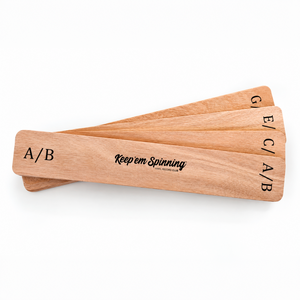
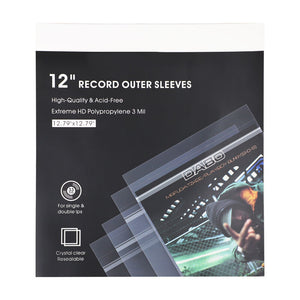
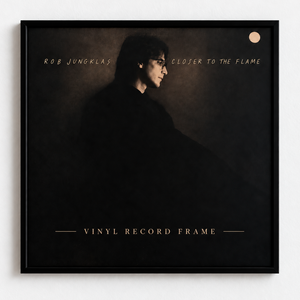
Accessories for your collection, ready to ship today.