10 Essential Tips for Caring for Your Vinyl Records - Keep Them Spinning™

10 Essential Tips for Caring for Your Vinyl Records

10 Essential Tips for Caring for Your Vinyl Records
8 min read

10 Essential Tips for Caring for Your Vinyl Records

Your vinyl collection is more than just music—it's an investment in sound quality, artistry, and tangible culture. But records are fragile. A single careless moment can introduce groove damage that no restoration can fully undo. I've rebuilt collections and watched others fall into decay, and the difference always comes down to care discipline. These ten tips aren't theoretical; they're born from watching what separates pristine collections from degraded ones.

1. Master Proper Handling Technique

This is non-negotiable. Fingerprints and skin oils are your vinyl's silent enemy. They settle into grooves and collect dust, accelerating wear. Always handle records by the center label and outer edge only. Never let your fingers touch the playing surface. Wash and dry your hands before handling—sounds obvious, but it's the most violated rule I've seen. Even a light smudge introduces a pathway for oxidation and dust adhesion.

KTS Vinyl Modular x4 storage system
Organize your collection with modular storage

When removing a record from its sleeve, use both hands—support it from underneath with one hand while extracting with the other. Never force a tight sleeve; that's how creases and edge damage happen. Your grooves take abuse during playback; don't add careless handling damage on top of it.

2. Control Temperature and Humidity Rigorously

Vinyl is PVC—a plastic that expands and contracts with temperature swings. Humidity causes it to warp. The sweet spot is 65-70°F (18-21°C) and 45-50% relative humidity. Fluctuations between 40-60°F and 30-60% humidity are acceptable, but rapid shifts kill records. A basement that floods seasonally or an attic that bakes in summer isn't a storage space; it's a hazard zone.

10 Essential Tips for Caring for Your Vinyl Records — 2. Control Temperature and Humidity Rigorously

I've seen expensive audiophile pressings warp beyond recovery because someone left them near a heating vent or stored them in a hot car. Use a digital hygrometer and thermometer—they're $15 and non-negotiable if you're serious about preservation. If your storage space can't maintain these ranges, add silica gel packs or a small dehumidifier.

3. Invest in Antistatic Inner Sleeves

Paper inner sleeves are like sandpaper for your grooves. Every time you remove or insert a record, the paper friction generates static charges that pull dust particles into the vinyl. Replace them immediately with antistatic polypropylene sleeves. Yes, they cost more per unit. Yes, they're worth every cent.

KTS Modular Foreigner cabinet
Customizable modular storage solution

Antistatic sleeves don't create friction; they dissipate charge. I recommend ones with a glassine window so you can see the label without removing the record. Never use PVC-based sleeves—these off-gas over time and can bond to vinyl. Polypropylene or polyethylene only. Replace sleeves on older records in your collection first; those records have already absorbed decades of paper damage and need the protection most.

4. Store Records Vertically, Not Stacked

Horizontal stacking creates weight-bearing pressure on lower records. Over months and years, this deforms the vinyl even if warping isn't visible. Vertical storage distributes weight evenly along the entire album spine and edges. Use sturdy dividers—vinyl-specific storage crates or even cardboard dividers will work.

10 Essential Tips for Caring for Your Vinyl Records — 4. Store Records Vertically, Not Stacked

Keep groupings tight enough that records support each other without gaps, but not so compressed that spines bend under lateral force. I aim for 90-95% of shelf width filled. This also makes browsing easier and lets you spot dust accumulation before it settles into grooves.

5. Clean Records Before Every Play

Surface noise isn't always pressing defects—it's dust. Even in a clean environment, invisible particles settle on vinyl between plays. A simple microfiber brush or anti-static carbon fiber brush takes 30 seconds and eliminates most surface contamination. For serious collectors, a vacuum-based record cleaning machine (like Klaudio or Pro-Ject) removes particles from the grooves themselves.

Never use tap water or diy cleaning solutions. Use distilled water with specialized vinyl cleaning fluid or isopropyl alcohol-based solutions designed for records. The pH matters. Wrong chemistry can degrade the outer layers of vinyl. Wet cleaning is deep maintenance; dry brushing is weekly upkeep. Do both.

6. Maintain Your Stylus Religiously

A worn or dirty stylus is a record destroyer. Dust accumulation on the tip increases friction and groove tracking force, accelerating wear on both the record and the stylus itself. Clean your stylus after every play session with a dedicated stylus brush, brushing back-to-front only (following groove direction). This takes 10 seconds.

10 Essential Tips for Caring for Your Vinyl Records — 6. Maintain Your Stylus Religiously

Inspect your stylus weekly under magnification (even a 10x loupe works). You're looking for visible debris, flattening, or chips. A stylus in good condition should have a narrow, symmetrical tip. If you see damage or the sound quality degrades noticeably, replace it immediately. Continuing to play with a worn stylus is like dragging sandpaper across your records.

7. Protect Records from Direct Sunlight

UV light degrades PVC. It fades labels, makes sleeves brittle, and accelerates oxidation that weakens the vinyl compound itself. No records near windows, glass doors, or skylights. Even indirect sunlight over months causes measurable degradation. Colored vinyl pressings are especially vulnerable because the additives that create color are often more reactive to light.

If display is important to you, use UV-filtering glass or keep lights low and off when the room isn't in use. The aesthetic of a visible collection isn't worth permanent damage. Proper storage is invisible but protective; display sacrifices both in the long run.

8. Choose Your Storage Furniture Carefully

Your records are only as stable as what holds them. Cheap particle board or plastic shelving flexes under weight, creating micro-movements that stress vinyl over time. You need solid wood, metal, or reinforced industrial shelving with minimal deflection. Weight ratings matter—150 lbs of vinyl per shelf isn't unusual, and shelves need to handle that rigidly.

10 Essential Tips for Caring for Your Vinyl Records — 8. Choose Your Storage Furniture Carefully

Modular wooden storage systems designed for records offer the stability you need while keeping temperature and humidity consistent. They're built to accommodate weight distribution properly and allow air circulation to prevent moisture pockets. Avoid enclosed cabinets with poor ventilation—trapped humidity is an invisible threat.

9. Use Quality Dust Covers When Storing

Dust covers prevent airborne particles from settling on records during storage. Not all covers are equal—cheap plastic traps humidity, creating condensation risk. Use breathable fabric or open-sided covers that allow air circulation. Anti-static treated fabric is even better because it prevents static buildup on the vinyl surface.

A dust cover on each record's outer sleeve is overkill, but one on your entire storage unit makes sense. Think of it as a first-line defense—the cover catches 80% of ambient dust before it reaches your collection. For valuable or rare records, individual archival-grade covers are justified.

10. Replace Sleeves on a Maintenance Schedule

Outer sleeves degrade. Paper becomes brittle, spines crack, surface finish fades. Every 5-7 years, assess your collection's sleeves. Records you play frequently need sleeve replacement sooner—the friction from repeated insertion and removal accelerates wear. Don't wait until sleeves are tattered; preemptive replacement protects both the vinyl and the artwork.

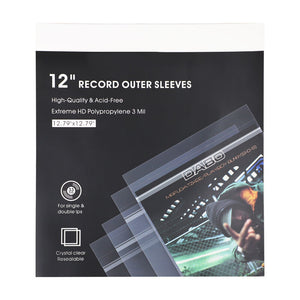
Archival-quality outer sleeves cost a bit more but preserve original artwork better and protect vinyl from mechanical damage. For rare or valuable records, replacement sleeves are insurance. For everyday collectors, they're a reasonable maintenance cost that extends collection lifespan by decades.

Ready to protect your collection long-term?

Explore Our Storage Guide

Related Articles

Ready to Upgrade Your Setup?

Handcrafted vinyl furniture — built by collectors, for collectors.

Shop Now

Frequently Asked Questions

Can I store vinyl records horizontally?
Not recommended. Horizontal stacking applies weight-bearing pressure on lower records, causing deformation over time. Vertical storage distributes weight evenly and prevents warping. Use dividers to keep records upright and properly spaced.
How often should I replace my stylus?
Stylus lifespan depends on type: conical (300-500 hours), elliptical (500-1000 hours), microline (1500+ hours). Replace when you notice distortion, sibilance, or skipping. Inspect under magnification monthly. A worn stylus damages records, so replacement is preventative maintenance, not optional.
What's the ideal humidity level for vinyl storage?
The optimal range is 45-50% relative humidity at 65-70°F (18-21°C). Fluctuations between 40-60% humidity and 50-75°F are acceptable, but avoid rapid temperature swings. Too high humidity promotes mold and oxidation; too low causes brittle vinyl. Use a digital hygrometer to monitor.
Are all inner sleeves safe for vinyl?
No. Paper sleeves cause friction damage; PVC sleeves off-gas and can bond to vinyl. Always use antistatic polypropylene or polyethylene sleeves. Antistatic varieties dissipate static charge and prevent dust attraction. The investment in quality sleeves pays dividends in groove preservation.
Can sunlight damage vinyl records?
Yes. UV light fades labels, makes sleeves brittle, and accelerates oxidation that weakens the vinyl compound. Never store records near windows or in sunlight. Colored vinyl is especially vulnerable to light degradation. If display is desired, use UV-filtering glass and keep exposure minimal.

Store your collection the right way

The Vinyl Modular x4 — solid Paulownia wood, modular design, holds 200+ LPs. Explore all vinyl storage →

Back to blog

Leave a comment

Upgrade Your Vinyl Setup

Solid wood modular furniture, designed for serious collectors.

Vinyl Wall MountsDiggers Stack StationVinyl Cleaning Kit
Shop All Products

Keep Reading

Top Vinyl Record Storage Solutions How to Store Vinyl Records the Right Way How to Organize a Vinyl Record Collection