How to Protect Your Vinyl Records from Warping & Damage

That sickening moment when you pull a record from the shelf and it wobbles like a dinner plate left in a hot car. You hold it at eye level, tilt it against the light, and there it is — a wave running through the pressing that wasn't there six months ago. I've been there. More than once, actually, and every time it stings.

The good news? Warping is almost always preventable. The bad news? Most collectors learn this the hard way, after losing a first pressing they can't replace. Here's everything I know about keeping your vinyl flat, clean, and playable for decades.

What Actually Causes Vinyl to Warp

PVC — the material your records are made from — starts softening around 30°C (86°F). That's not laboratory heat. That's a south-facing window in June. A car dashboard in spring. A shipping box left on a porch for an afternoon.

Classic Box solid wood vinyl storage

Classic Box solid wood vinyl storage — Shop now

Three things destroy records:

Heat. Direct sunlight is the worst offender. I've seen a sealed Discogs order warp inside its mailer because it sat on a doorstep for four hours in July. Radiators are the second biggest killer — that shelf next to the heater looks great until February. And car trunks? Never. Not even for the drive home from the record fair. Records go in the cabin, on the seat, upright.

Pressure. Stacking records flat — horizontally — puts the full weight of every record above onto the ones below. Twenty LPs stacked flat exert roughly 3-4 kg of sustained force on the bottom disc. Over weeks, that's enough to press a permanent wave into the vinyl. This is the single most common mistake new collectors make.

Lean angle. Even stored vertically, records that lean at steep angles (30°+ from vertical) will gradually bow under their own weight. The ideal lean is 5-10° from perfectly upright, supported by bookends or shelf dividers every 15-20 records.

Temperature and Humidity: The Numbers That Matter

Ideal storage conditions: 18-21°C (64-70°F) and 45-50% relative humidity. That's a normal, climate-controlled living room. Not a basement. Not an attic. Not a garage.

KTS vinyl record vinyl care - Temperature and Humidity: The Numbers That Matter
Vinyl Break minimalist record stand

Vinyl Break minimalist record stand — Shop now

Below 35% humidity, paper sleeves dry out and become abrasive. Above 60%, you're inviting mould — and mould in record grooves is essentially game over. A basic hygrometer costs €10 and saves you from finding white fuzz on your Blue Note originals.

If you live somewhere with wild temperature swings, a dehumidifier in summer and a humidifier in winter is the cheapest insurance you can buy. Way cheaper than replacing a warped original pressing.

Sleeves: The First Line of Defence

Generic paper inner sleeves scratch. Period. Every time you slide a record in and out of a paper sleeve, microscopic dust particles trapped in the paper fibres drag across the grooves. Over dozens of plays, you're wearing audible surface noise into the vinyl.

KTS vinyl record vinyl care - Sleeves: The First Line of Defence

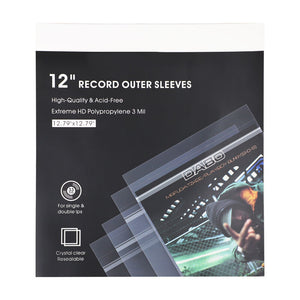
Replace every paper inner with MoFi anti-static inner sleeves. They're about €0.30 each and they eliminate static buildup while protecting the surface. For outer sleeves, polypropylene 3mil outers (Sleeve City or Big Fudge both work well) keep the jacket pristine and add a layer against dust and humidity.

Is it tedious to re-sleeve 500 records? Yes. Do it anyway. Your future self will thank you when every record sounds the way it did the day you bought it.

Handling: Edges and Label Only

Touch the grooves and you leave fingerprint oils that attract dust and eventually bond to the vinyl surface. Always handle records by the edges and the label area only. If you're doing a long re-sleeving session, cotton gloves help — but clean, dry hands work fine for normal use. Just wash them first.

KTS vinyl record vinyl care - Handling: Edges and Label Only

Clean Before You Store

A carbon fibre brush before every play is the bare minimum — it pulls loose dust from the grooves without pushing it deeper. For used records (especially flea market finds), a proper wet clean makes a transformative difference. The Spin-Clean system runs about €80 and handles thousands of records. It's the single best investment I've made in my setup outside the turntable itself.

KTS vinyl record vinyl care - Clean Before You Store

Never store a dirty record. Whatever's on the surface when it goes into the sleeve stays there, hardening and bonding over time.

Shelf Weight Distribution

Don't pack records so tightly that you need force to pull one out — that's how jackets split and records get scratched by their own sleeves. But don't leave them so loose they flop sideways either. Aim for a gentle, upright fit where you can slide a record out with one hand.

The material of your shelving matters too. Particle board shelves sag under the weight of a full record collection — 100 LPs weigh roughly 25 kg. Solid wood handles the load without flexing. That's exactly why our vinyl record boxes are built from solid Paulownia — it's strong enough to hold 50-70 LPs per unit without a millimetre of deflection, and light enough to rearrange when you want to.

Already Warped? Here's What You Can Do

Mild warps — the kind where the record still plays but you can see it rise and fall on the platter — can sometimes be flattened. The Vinyl Flat system uses gentle, even heat and pressure over 12-24 hours to reshape the disc. It works on maybe 60-70% of mild warps. Severe warps? Usually permanent. Some professional services use industrial presses, but results vary and they're not cheap.

The DIY method (two sheets of glass, heavy books, a warm room, a week of patience) works occasionally on very slight warps. But it's unpredictable, and if the temperature gets too high you'll make things worse. Prevention always beats cure here.

Give Your Records the Storage They Deserve

Solid wood. Proper vertical storage. Built for collectors, not furniture catalogues.

Classic Box Orbit Box Vinyl Crate

For more on choosing the right storage for your collection, check our complete vinyl record box guide.

Frequently Asked Questions

A mildly warped record won't damage a good stylus, but it forces the cantilever to track unevenly, increasing wear over time. Severely warped records can cause the stylus to skip or mistracking that stresses the suspension. If a record wobbles visibly on the platter, it's safer to flatten it before playing.

No. Garages and attics are the two worst places for vinyl. Temperature swings can exceed 20°C between day and night in summer, and humidity in uninsulated spaces often hits 70%+. Records belong in climate-controlled living spaces — ideally between 18-21°C and 45-50% humidity.

Use bookends or dividers every 15-20 records to keep them upright. Without support, 30+ records leaning against each other will eventually create a domino effect where the outer records bow. Our modular boxes hold 50-70 LPs with built-in vertical support so every record stays straight.

Heavier pressings are more resistant to warping under their own weight, but they're not immune to heat. A 180g record in a hot car will warp just as fast as a standard pressing. The extra mass helps with stability during playback (less flutter) but doesn't change the laws of thermoplastics.

Absolutely. At €0.25-0.35 each, MoFi-style anti-static inners are the cheapest upgrade in vinyl care. They eliminate static (which attracts dust into grooves), they're smoother than paper (no micro-scratching), and they last essentially forever. Re-sleeving a 200-record collection costs about €60 — less than one decent reissue.

Ready to upgrade your vinyl storage?

Handcrafted furniture designed for serious collectors. Free shipping on all orders.

Shop Now
Back to blog

Leave a comment

Upgrade Your Vinyl Setup

Solid wood modular furniture, designed for serious collectors.

Modular Vinyl Storage Modular Foreigner SystemVinyl Cleaning Kit
Shop All Products

Keep Reading

Top Vinyl Record Storage Solutions How to Store Vinyl Records the Right Way How to Organize a Vinyl Record Collection