

Authentication guide · 2026
How to know if a vinyl record is original — complete authentication guide
5 checks that separate first pressings from reissues, and reissues from counterfeits. Matrix codes, label variations, runout grooves, sleeve detail — the verification framework collectors use.
Discogs database · 920M items
A 1963 Bob Dylan first press is worth $35,000. A 1970s reissue of the same album: $50. Knowing the difference is the entire game.

The 5 authentication checks — in order of priority
Why authentication matters now more than ever
The vinyl market hit $1.04B in US revenue in 2025 (RIAA), with average prices up 24% to $37.22 since 2020 (Discogs). High prices attract counterfeiters. The most-faked categories: Beatles butcher covers, Sex Pistols A&M, early Rolling Stones UK Decca, Bob Dylan stereo Freewheelin', and any record listed in the top 10 rarest. Counterfeits range from crude reprints to museum-quality replicas costing tens of thousands to produce.
The matrix code system — your primary tool
Every commercial vinyl record carries inscribed marks in the runout groove (the smooth area between the last music groove and the center label). These include: pressing plant code (e.g., "RCA" for Rockaway), master number, stamper letter, date code, and sometimes engraver initials (legendary mastering engineers like RUDY VAN GELDER signed his Blue Note pressings — "RVG" in the runout). Original pressings match exactly the matrix codes Discogs catalogs for that specific variant.
Label and sleeve red flags
1960s Capitol labels used rainbow logos with specific font weights. 1970s Columbia labels had distinct orange/red ring patterns. If a "1963 Capitol" record has a 1980s-style logo, it's a reissue at best, fake at worst. Sleeve red flags: glossy modern paper on a supposed 60s pressing, sharp ink saturation (originals fade unevenly), no spine wear after "60 years of storage", hot-glue construction (originals used cold cellulose adhesive).
Weight and vinyl quality giveaways
Standard 1960s LP weight: ~150g. Budget 1970s LP: ~120g. Modern audiophile reissues: 180g–200g. If a record claims to be a 1963 first press but weighs 180g, it's a modern reissue. Standard original weights also vary by country — UK first presses tend to be heavier than US, German Deutsche Grammophon presses are notoriously high-quality and weighty. Reference Discogs spec data for each release.
When to call in a specialist
For records valued under $1,000, your own research and Discogs comparison usually suffices. For $1K–$5K, consider getting a written grade from an established dealer (Heritage Auctions, Records by Mail, Forever Vinyl). Above $5K, professional authentication is essential — not optional. The most expensive vinyl records on Earth (Wu-Tang Shaolin, Elvis "My Happiness") have full provenance documentation tracing every owner. Treat anything claiming high value but lacking provenance with skepticism.
Frequently asked questions
What is a matrix code on a vinyl record?
How can I tell if a Beatles record is a first pressing?
Are colored vinyl variants original?
How much does professional authentication cost?
What's the most common vinyl counterfeit on the market?
Verified records deserve verified storage.
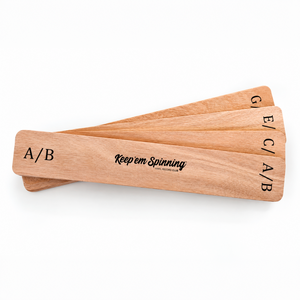
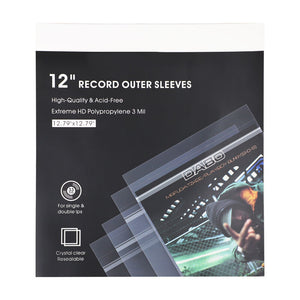
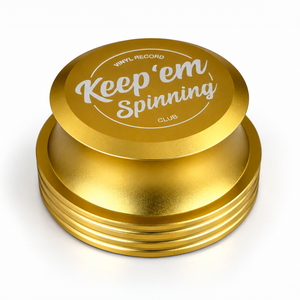
Once you've authenticated a record, storage becomes part of its provenance. Solid wood, climate-stable, sized to the 12" sleeve. The category collectors use when their records carry insurance.
In stock · ships in 24–48 h
Accessories for your collection, ready to ship today.



4 comments
Hola tengo varios discos de vinilo de distintos autores, están en perfectas condiciones y los quiero vender
Tengo 8 discos originales de beethoven the philadelphia Orchestra Ricardo muti
Tengo discos varios de vinilo originales- Quiero venderlos algunos en catalán y otros que se llaman Tesoros de la Música Española-.
Ustedes los compran?
Precio vinilos en excelente estado más económicos nacionales e intrnacionales