Collection organization · 2026 guide
How to organize vinyl records
5 organization systems compared: alphabetical, genre, chronological, mood, color. Which works best at 100 vs 500 vs 1000 LPs, and the dividers that make any of them quicker to use.
5 systems · 100-1000+ LPs · Browse vs find
A system only works if you can find a record without having to think about it. The 5 systems compared by collection size, the dividers that make finding fast, and the hybrid that combines genre and A–Z.

How to organize vinyl records: 5 systems compared
System 1 — Alphabetical by artist
The safe choice for a large collection. Records go A–Z by artist: solo artists by last name (Bowie under B, Miles Davis under D), bands by the first word of the name, leaving out "The". Finding is the fastest of the five systems: you go straight to the letter. Browsing is slow, because genres and eras end up mixed along the shelf. Best at 500+ LPs, where browsing by mood becomes impractical. It is also the order you already know from record shop bins, inside each genre section.

System 2 — Genre then alphabetical
Combines fast finding with mood-based browsing. Each genre gets its own section (rock, jazz, electronic, classical, soul/funk), within each genre records alphabetical by artist. Finding takes one extra step: first the genre section, then the letter. Browsing is fast for "I want jazz tonight" listening sessions. It is the hybrid to try first if pure A–Z feels too flat. Furniture can follow the same split: The Digger's Wall with its four browsing crates on top keeps eight cubes below for the alphabetical sections and leaves the crates for the records in current rotation.
System 3 — Chronological by release year
For music historians. Records sorted by original release year (the year of the first pressing, which you can look up on Discogs). Beatles 1962 → Pink Floyd 1967 → Velvet Underground 1967 → and onward. Finding is slow unless you remember release years. Browsing is educational: you literally walk through music history. Best for collectors building canonical libraries (1965-1975 rock, 1975-1985 punk + new wave, etc.).
System 4 — By mood / energy
Records grouped by listening context: morning coffee, dinner party, workout, late night focus, road trip. DJ-influenced organization. Finding a specific album is slower, because the same record can fit more than one mood. Browsing is very fast when you choose by occasion. At 500+ LPs, combine it with system 2 (genre + alphabetical within each mood section).
System 5 — By color / aesthetic
For collections where the records are part of the décor. Records sorted by spine color or cover art aesthetic. Finding is the slowest of the five: you need to remember what color a specific album cover is. Browsing is visual and photogenic. Best for collectors who display vinyl on open shelves and prioritize the "wall as art" aesthetic. Not recommended above 200 LPs unless you have photographic memory.

Dividers — what makes any system stick
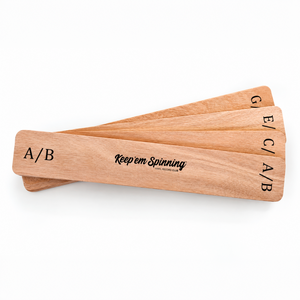
Whatever the system, add dividers. The Library of Congress recommends storing records on edge, fully upright, on shelves with sturdy dividers every 4–6 inches (10–15 cm) that support the whole face of the sleeve. Those dividers are there to keep the records upright; label them, or slip index cards in at the same spacing (roughly every 15 to 25 LPs), and they also become your map: a letter (A, B, C...) for alphabetical, the genre name for a genre system, year ranges for chronological. You stop scanning spine by spine and go straight to the right section. Card or plastic index dividers are a small expense, and nothing else does more for finding speed.

Frequently asked questions
What is the best way to organize a vinyl record collection?
Should I organize by genre or alphabetically?
Do I need dividers in my vinyl collection?
How long should it take to find a record?
Should I sort by artist first name or last name?
5 systems. 1 standard. Dividers always.
Alphabetical for find speed, hybrid for browse, dividers for navigation. Pick a system, add dividers, stay consistent. The best system is the one you actually keep up.
In stock · ships in 24–48 h
Accessories for your collection, ready to ship today.